Skip to content Skip to main navigation Skip to footer

Author: KIDDER Ryan

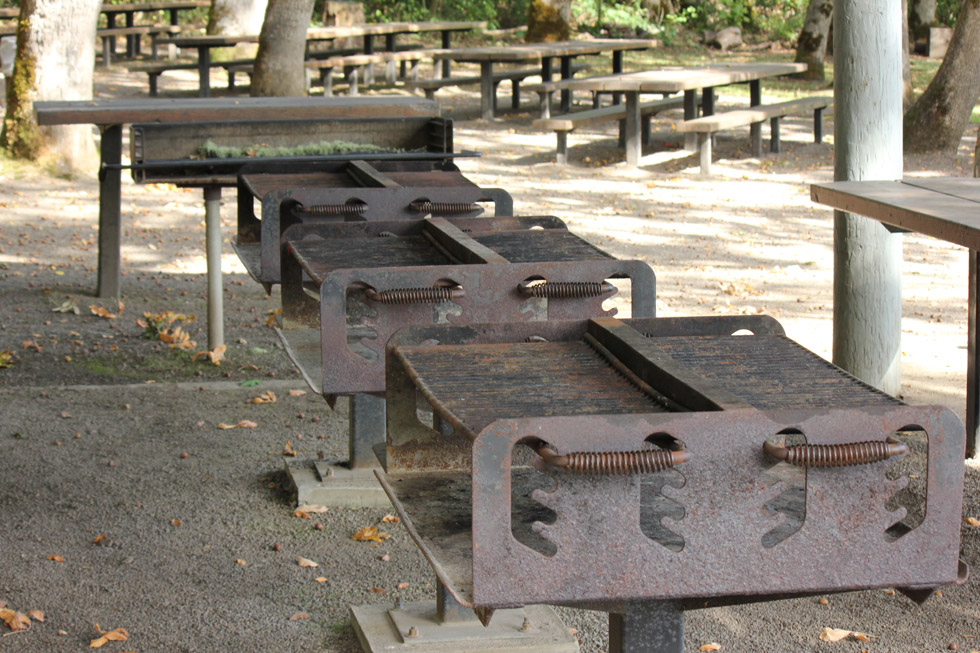
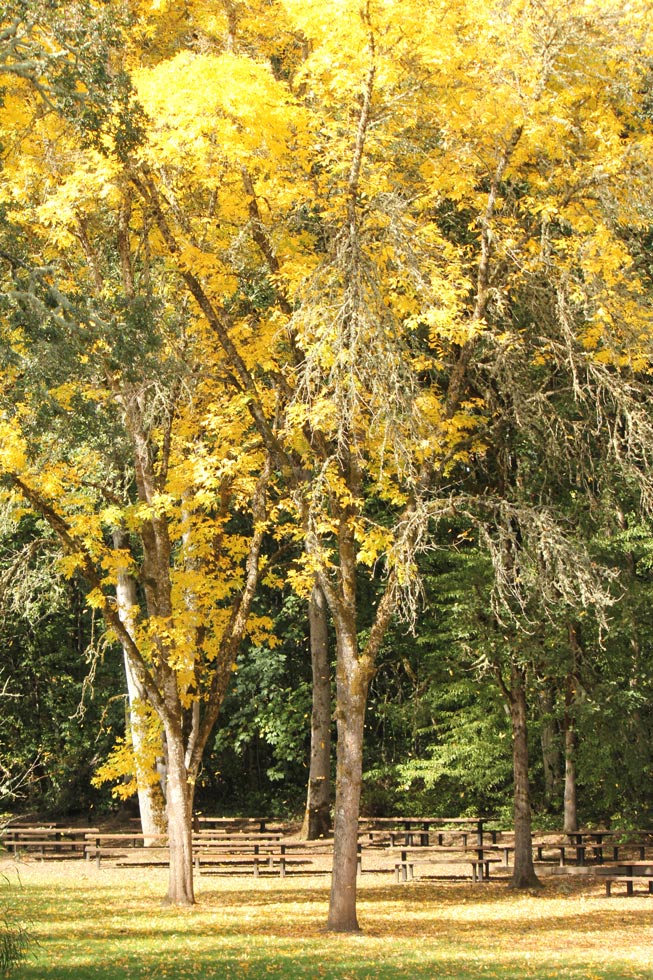
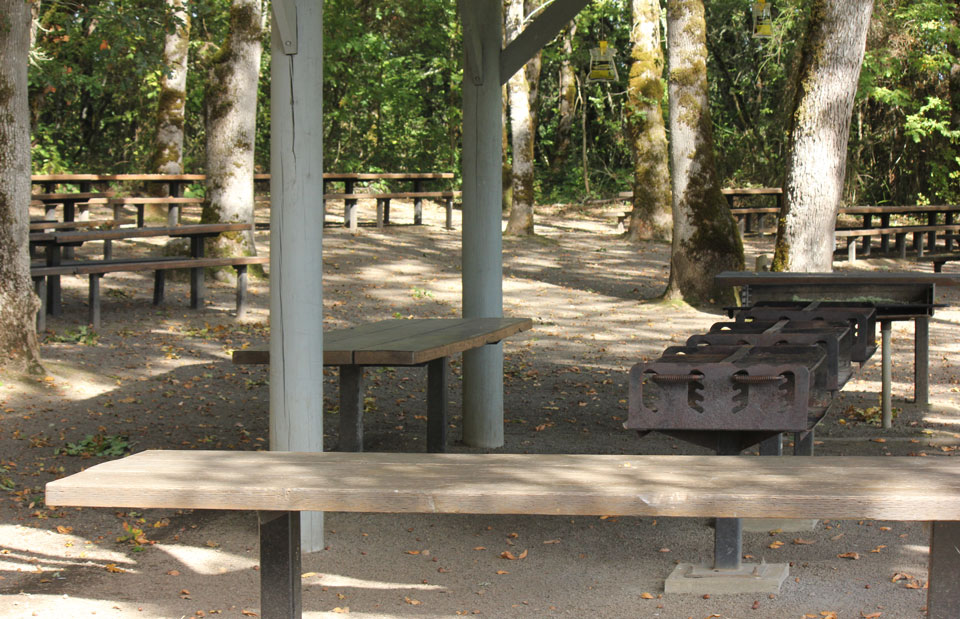
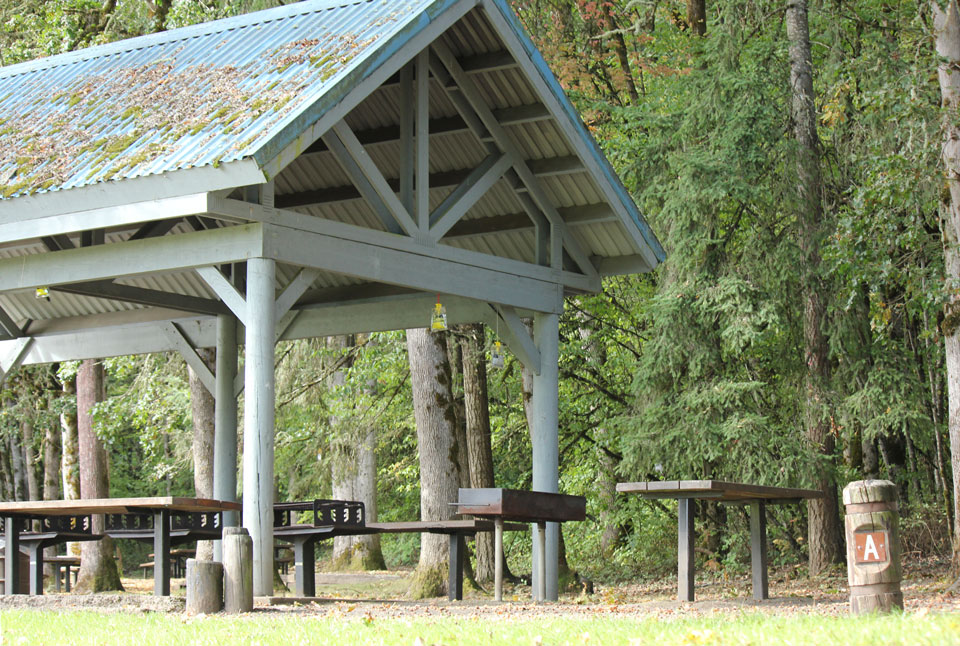
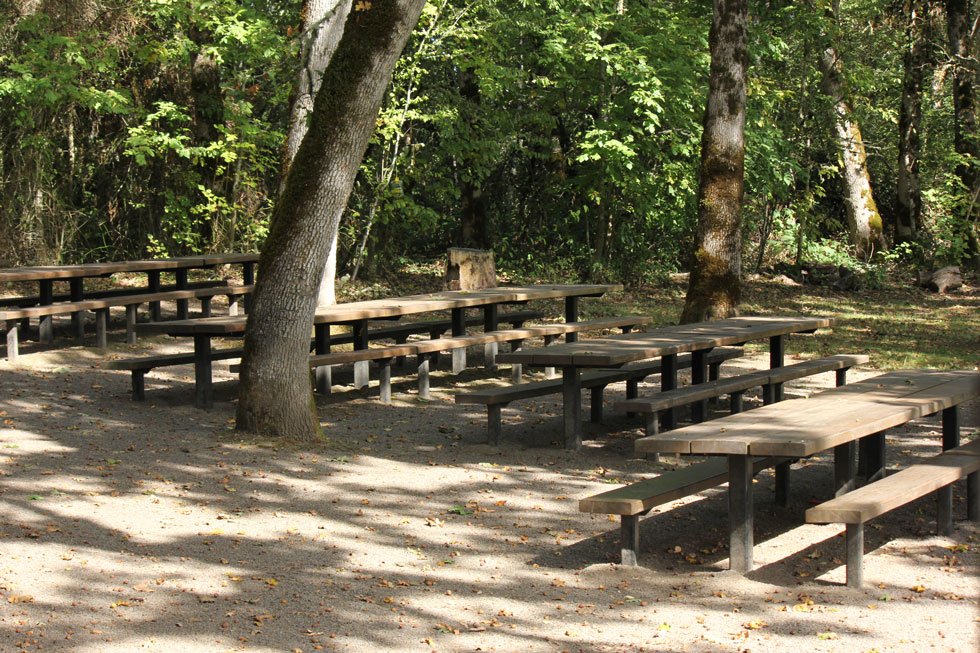
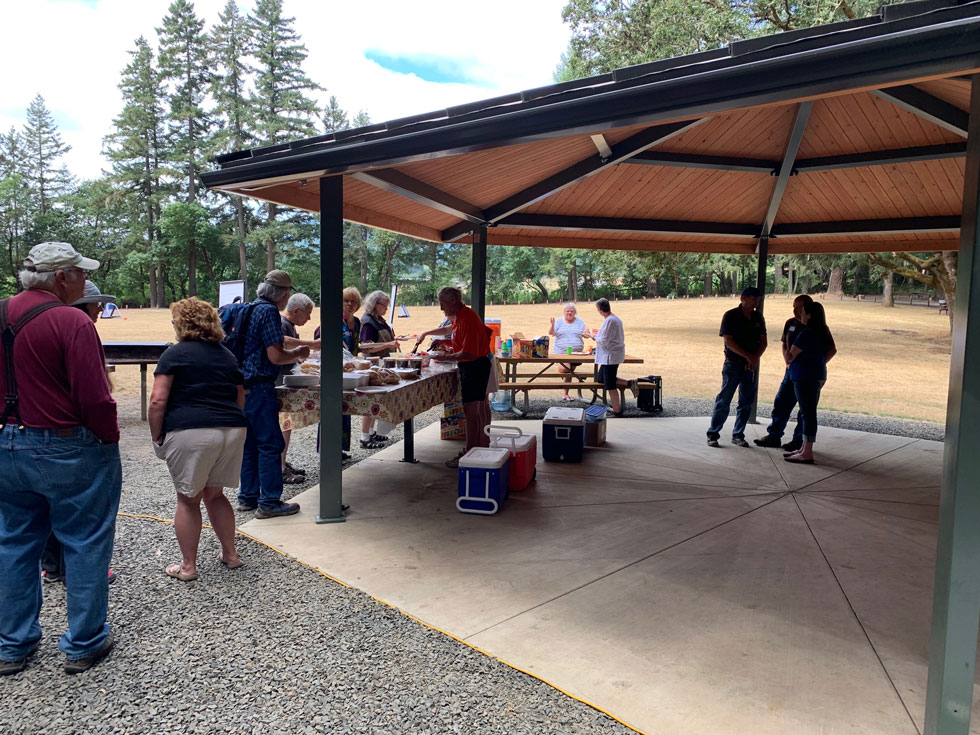
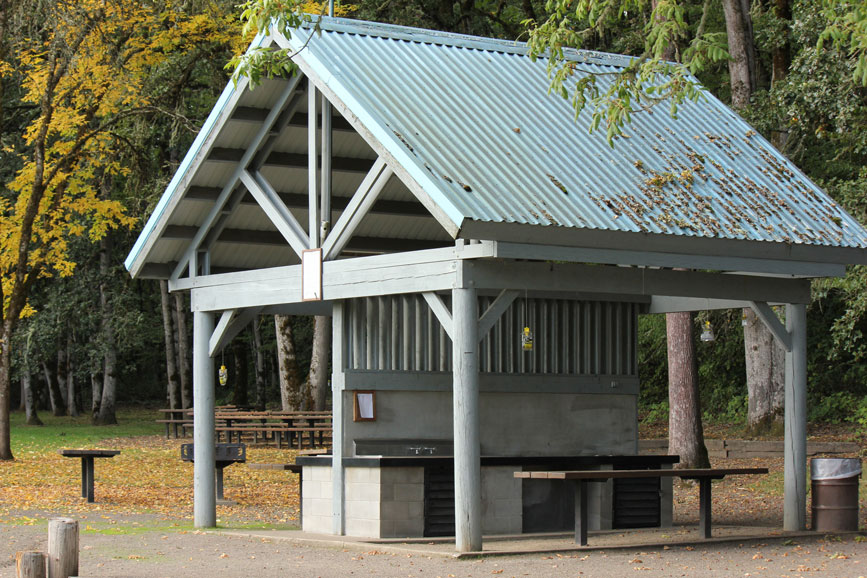
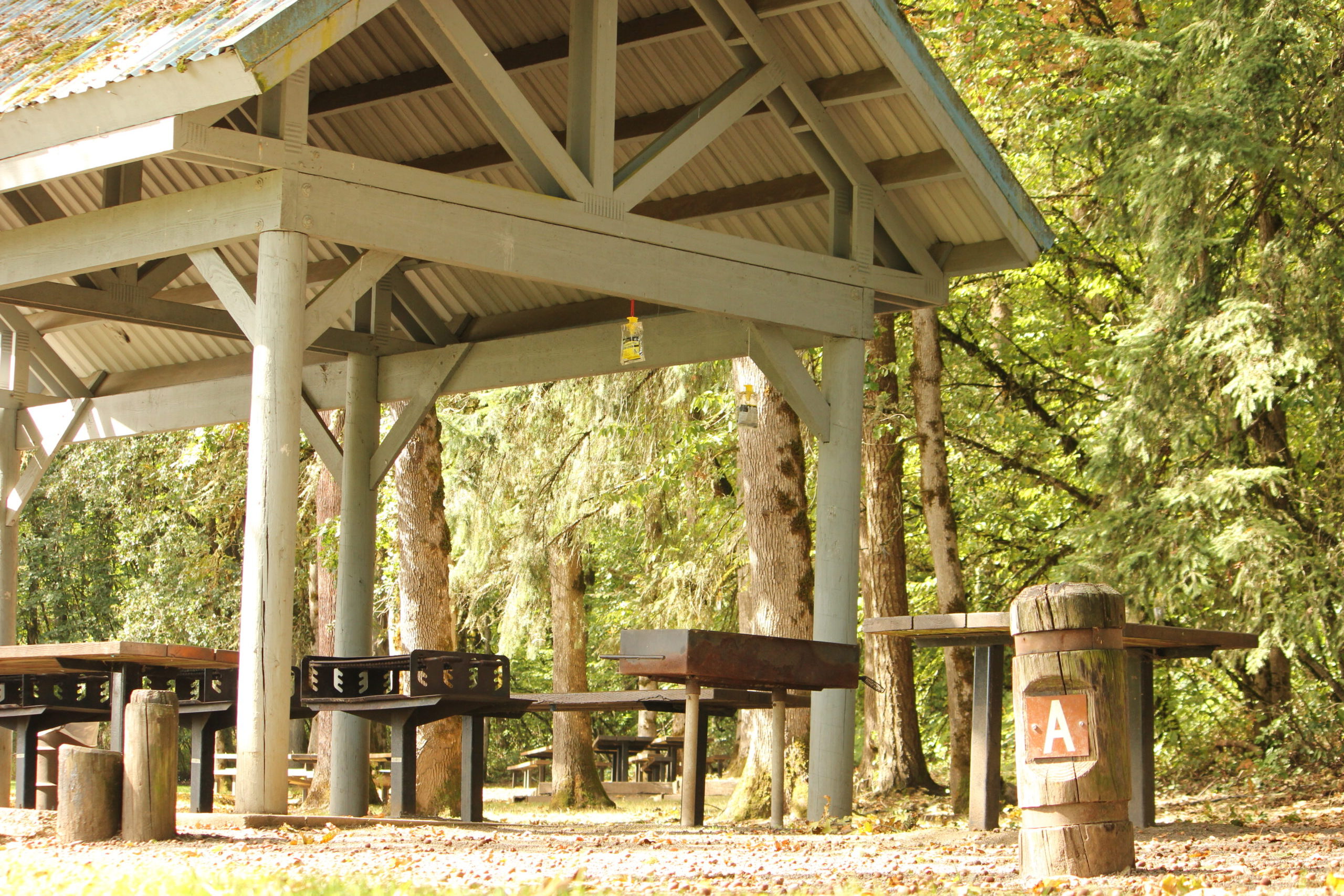
Picnic shelters at Adair Park

Understanding Benton County’s Special Use Permit: When and Why You Need It

If you’re planning an event or activity in one of Benton County’s parks, natural areas, or even the Courthouse grounds, it’s important to understand when a Special Use Permit is required. This permit ensures that our public spaces remain safe, accessible and enjoyable for everyone — while also helping County staff plan ahead to support your event’s success.

When Is a Special Use Permit Required?

This permit is not just for large-scale festivals or commercial gatherings — it’s needed for a wide range of uses that go beyond a typical picnic or day visit. You’ll need a permit if your activity includes:

  • Reserving a park shelter
    AND
  • Hosting an event, such as:
    • A wedding or wedding reception
    • School or educational activities
    • Events using bounce houses or inflatables
    • Company picnics with more than 200 attendees
    • Disc golf tournaments
    • Any use of amplified sound (e.g., music, microphones, speakers)
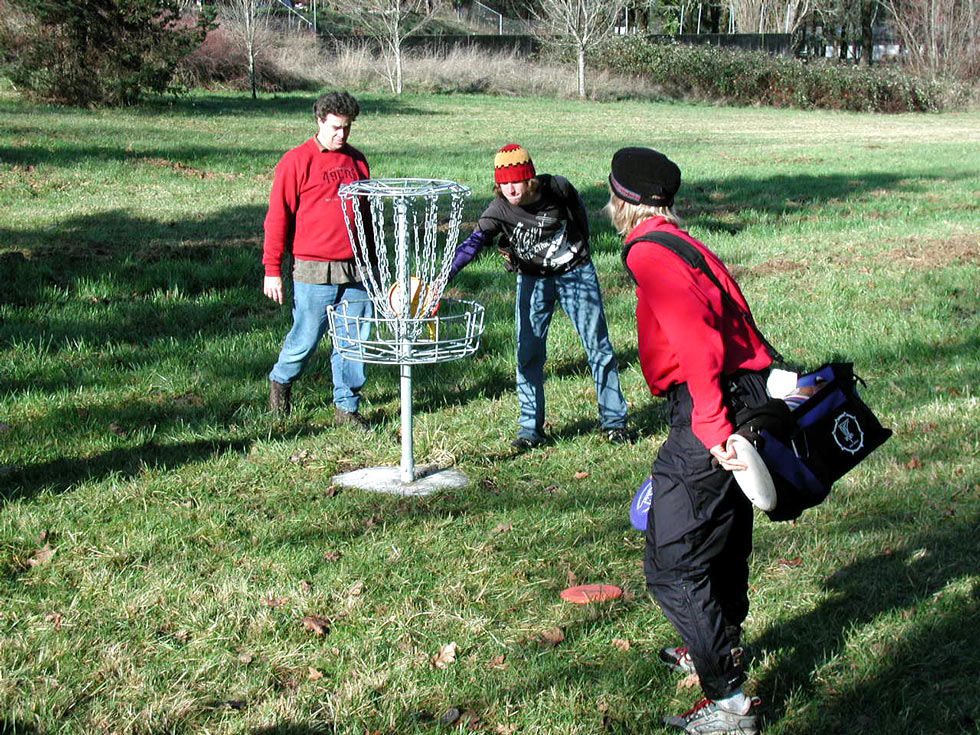
In short, if your event is organized and likely to attract attention or require special accommodations, it likely requires a Special Use Permit.

Not Just for Events: Research & Work

The permit is also required for any research or work taking place in Benton County parks and natural areas. This includes environmental studies, academic projects, and similar activities.

Good news: While the permit is still required, the fee is waived for educational or research-related uses.

Is There a Fee?

Yes. The Special Use Permit has a fee of $75 that is separate from regular venue or reservation costs. This additional fee covers the administrative review and coordination required to support your activity appropriately.

Why It Matters

Requiring a permit helps us:

  • Prevent conflicts between overlapping events
  • Protect sensitive environmental areas
  • Ensure public safety
  • Provide proper support, like utilities, staffing and parking

Permitting can feel like red tape, but in reality, it’s a tool that helps us balance the needs of all those who enjoy Benton County’s shared spaces.

Have Questions?

If you’re unsure whether your event or activity requires a Special Use Permit, we encourage you to reach out to NAPE. We’re happy to help guide you through the process and ensure everything goes smoothly.

Contact the Natural Areas, Parks, and Events Department.
Picnic shelters at Adair Park

Adair Park

Built for Big Events

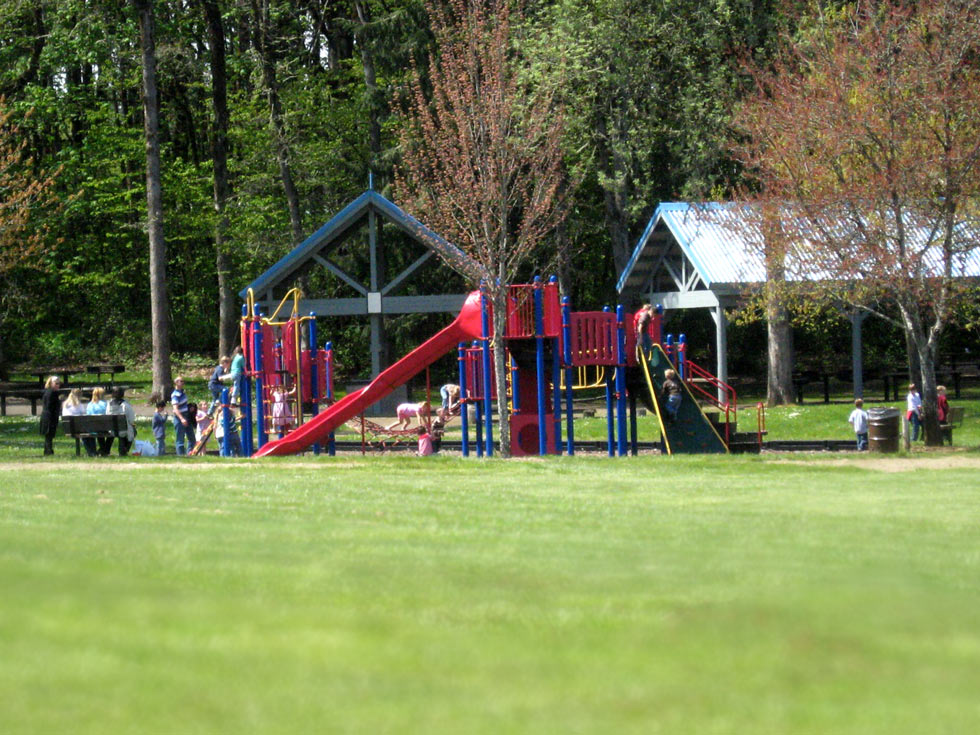
With seating for 300 and space for up to 800 guests, Adair Park is built for big events. Reserve the full shelter or divide it for groups of 120 and 180. Features include large charcoal barbecues, outlets and double sinks, two softball fields, two volleyball courts, a disc golf course and more.

Adair Park shelter house

Location & Directions

Adair Park
7295 NE Arnold Ave, Corvallis, OR 97330

Latitude: 44.673184676 Longitude: -123.214763384

Get Directions (Google Maps)

Amenities

  • Disc golf course
  • Two softball fields
  • Two volleyball courts
  • Two covered picnic shelters
  • Loading zone and access road
  • Self-closing faucets
  • Double Sinks
  • Commercial grade electric cooktop
  • Sand volleyball court
  • Play area
  • Parking, limited ADA spots
  • Horseshoe pits
  • Seating for 300
  • 120-amp duplex outlets
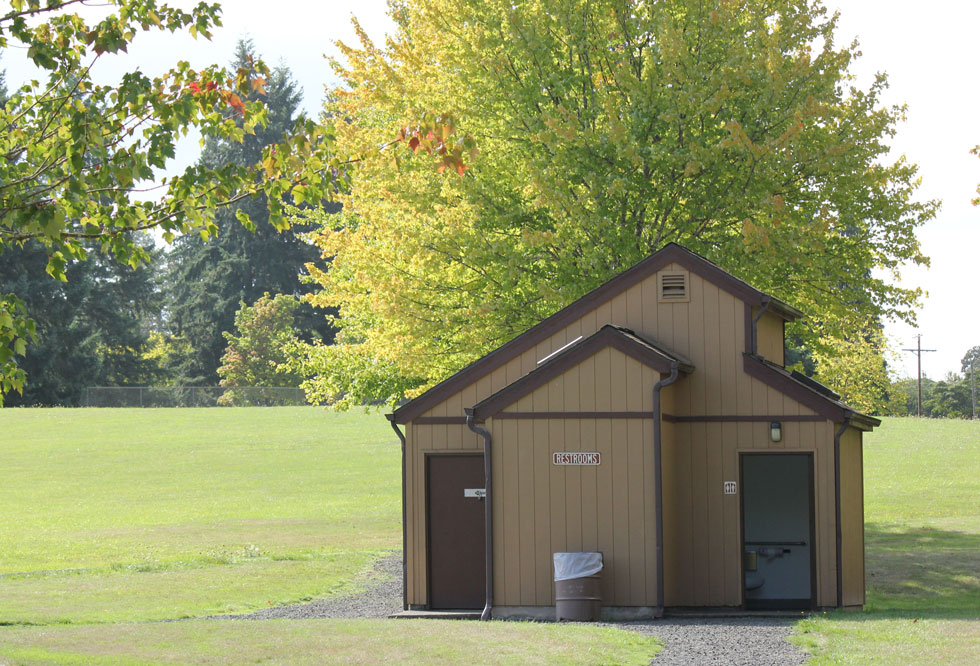
  • Restrooms

Picnic Shelter Reservations

There are two covered picnic shelters at Adair Park. These can be booked separately or together. Please make your reservation at least 30 days before your event. We only reserve for the current calendar year, and requests are accepted beginning on the first working day in January.

Weekends

$132 Per day rate. $100 refundable deposit required.

Friday, Saturday, and Sunday

Weekdays

$78 Per day rate. $100 refundable deposit required.

Monday through Thursday

Reservation Cancellations

Cancellations are subject to a $25.00 cancellation fee and need to be made 48 hours or more from the date of the reservation in order to receive a partial refund.  If Cancellations are made within 2 days of the scheduled reservation date, they are subject to forfeiture of 100% of the reservation fees paid.  We do not give credit or refunds due to discomfort of nature, or weather related events.

Contact the Natural Areas, Parks, and Events Department

Let us know if you notice broken equipment, damaged trails or anything else that needs attention.

Bellfountain Park sign

Bellfountain Park

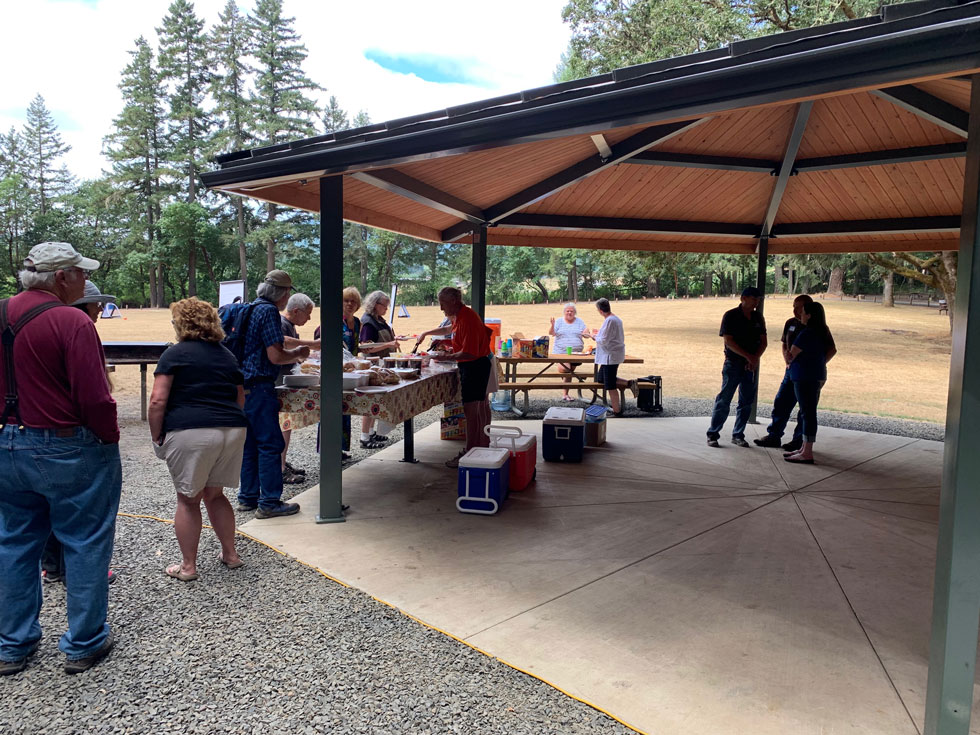
Bellfountain Park is home to the famous 85-foot-long picnic table made from a single slab of old-growth Douglas Fir! The oldest park in Benton County has been welcoming guests for over 120 years. This historic park offers covered seating for 120, a large charcoal BBQ, softball and volleyball, playground, ADA-accessible restrooms, and more.

People stand under the wide wooden gazebo at Bellfountain Park.

Location & Directions

Bellfountain County Park
24849 Park Road, Monroe, OR 97456

Latitude: 44.3647443481 Longitude: -123.374859513

Get Directions (Google Maps)

Bellfountain Park Amenities

  • ADA accessible restrooms
  • Large charcoal barbeque
  • Softball field
  • Four duplex outlets
  • Self-closing faucets
  • Two sinks
  • Sand volleyball court
  • Play area
  • Covered picnic shelter
  • Parking, limited ADA spots
  • Horseshow pits

Picnic Shelter Reservations

The covered picnic shelter at Bellfountain Park has covered seating for 120 people, four duplex outlets, and two sinks with self-closing faucets in the kitchen shelter area. Please do not put food scraps or grease in the sink. Please make your reservation at least 30 days before your event. We only reserve for the current year, and requests are accepted beginning on the first working day in January.

Weekends

$125 Per Day ($100 refundable deposit required)

Friday, Saturday, and Sunday

Weekdays

$75 Per Day ($100 refundable deposit required)

Monday through Thursday

Reservation Cancellations

Cancellations are subject to a $25.00 cancellation fee and need to be made 48 hours or more from the date of the reservation in order to receive a partial refund.  If Cancellations are made within 2 days of the scheduled reservation date, they are subject to forfeiture of 100% of the reservation fees paid.  We do not give credit or refunds due to discomfort of nature, or weather related events.

Let us know if you notice broken equipment, damaged trails or anything else that needs attention.

Fender’s Blue Butterfly

Description

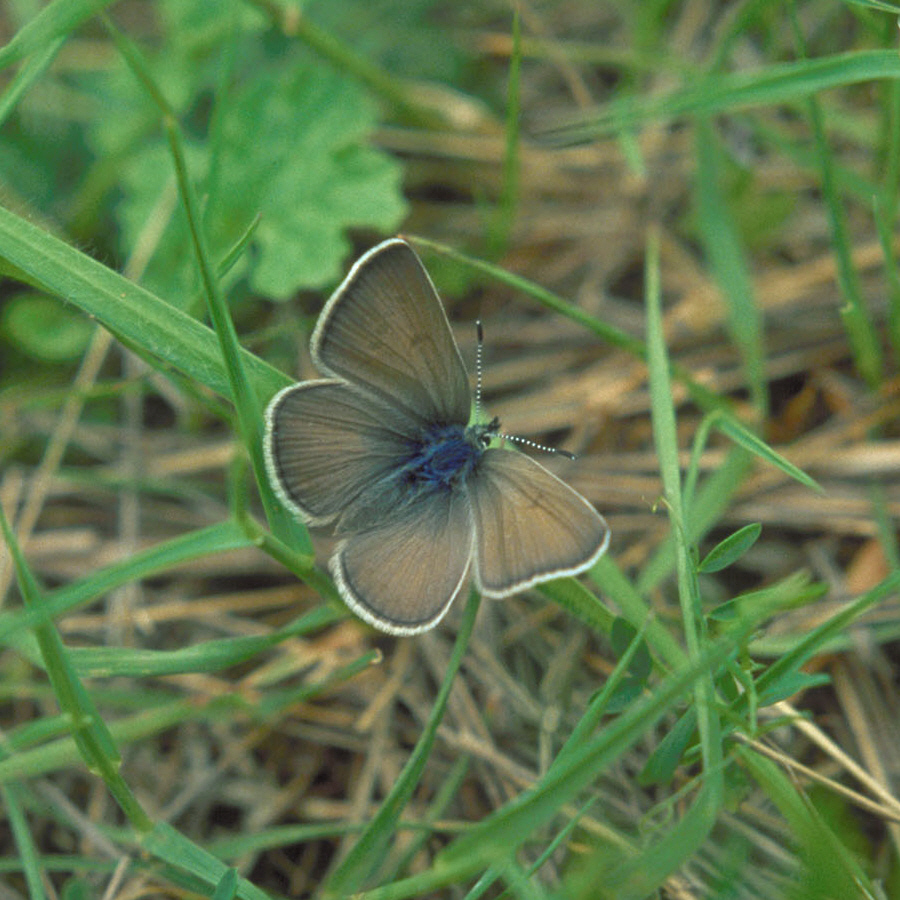
Fender’s Blue butterfly is a member of the Lycaenidae family and is in the Polyommatinae (blue butterfly) sub-family. Fender’s Blue is a small butterfly with an approximately one-inch wingspan. Upper wings are blue in males, and brown in females. The underside of both genders’ wings is creamy tan with two rows of black spots and a white border.

​Status

Fender’s Blue butterfly was listed as an endangered species under the federal Endangered Species Act in 2000. Fender’s Blue was actually thought to be extinct from about 1940 until the late 1980s, when biologists discovered a few remaining populations on prairie remnants in the Willamette Valley.

Range and Habitat

This sub-species occurs in upland prairie or wet prairie habitats. Fender’s Blue is currently found in five counties in Oregon: Linn, Lane, Benton, Yamhill and Polk County.

Two critical elements of Fender’s Blue butterfly habitat are larval host plants and nectar plant species. Kincaid’s lupine (Lupinus sulphureus ssp. kincaidii) is the primary larval host plant for Fender’s Blue butterfly. Secondary host plants include sickle-keeled lupine (Lupinus albicaulis) and spur lupine (Lupinus arbustus).

Adult butterflies lay their eggs on lupine leaves in May and June, and larvae (caterpillars) hatch out a few weeks later. The larvae feed for a few weeks, then go into diapause (similar to dormancy) at the base of the plant until the following February or March. Emerging larvae then feed on young lupine leaves and inflorescences. The larvae grow and develop quickly, pupate and emerge as butterflies in early May.

Adult butterflies feed on nectar (sugary fluid) produced by certain flower species. Nectar species to support Fender’s Blue include narrowleaf onion (Allium amplectens), Tolmie startulip (Calochortus tolmiei), common camas (Camassia quamash), dwarf checkermallow (Sidalcea virgata) and Oregon sunshine (Eriophyllum lanatum), among others. Insufficient nectar sources may limit Fender’s Blue population size.

Threats

Remaining populations of Fender’s Blue are at risk from:

  • Further habitat loss or fragmentation
  • Invasion of prairie habitats by non-native species
  • Loss of larval host plants
  • Encroachment of trees and shrubs into prairie habitats
  • Elimination of natural disturbance regimes

Jackson-Frazier Wetland

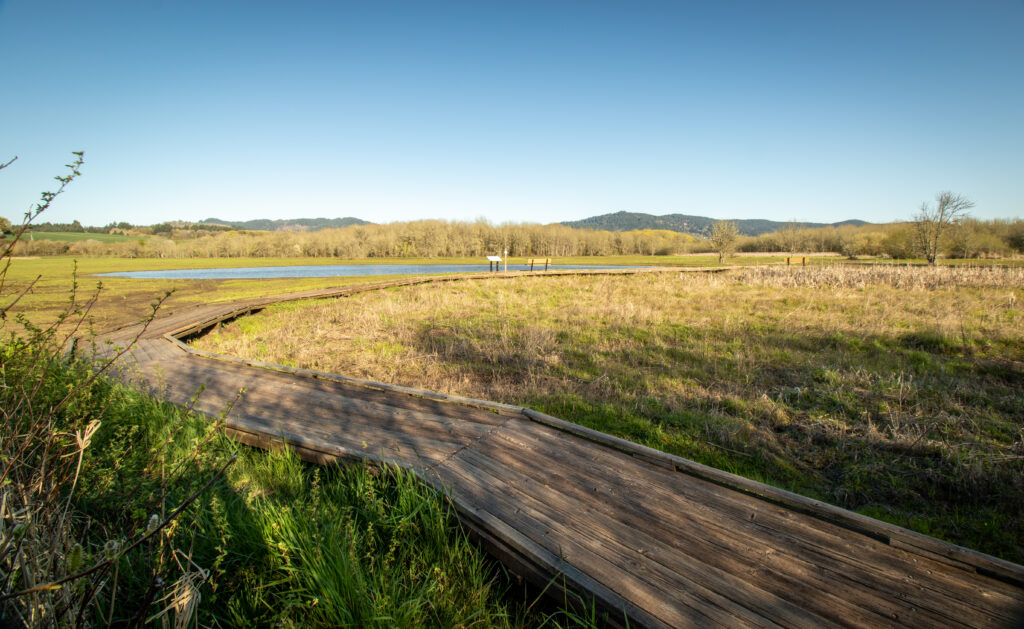
Jackson-Frazier Wetlands Boardwalk Reconstruction Project

Restored wetland in need of new and safe pedestrian access

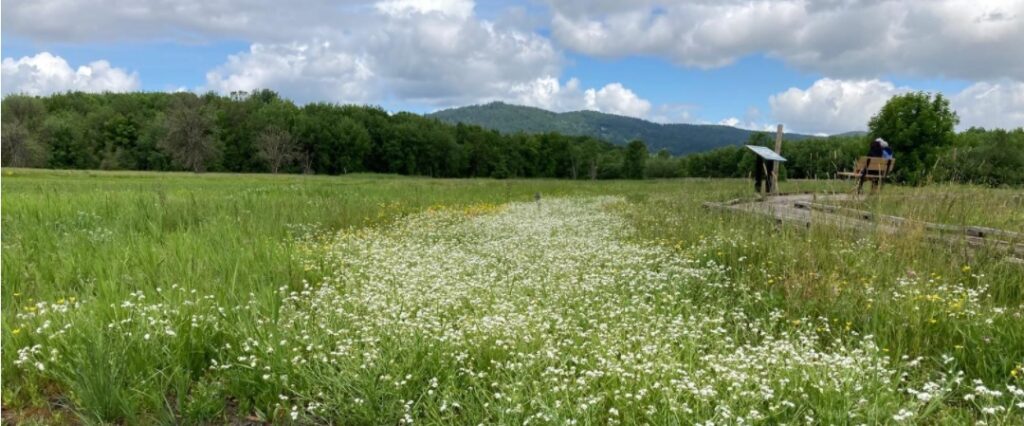
The Jackson-Frazier Wetland Long-Term Restoration Project was completed in 2021.  Thanks to funding from the Oregon Watershed Enhancement Board (OWEB), and partner support from US Fish & Wildlife Service, Oregon Department of Fish & Wildlife, Greenbelt Land Trust, and City of Corvallis- Parks & Recreation.  50 acres of wetland restoration and creation occurred created a significant increase in the native wetland plant and animal diversity diversity.

Update on the Boardwalk Reconstruction Project

Benton County Natural Areas, Parks & Events department is working to secure the needed additional funding required to complete the existing boardwalk removal and construct a replacement boardwalk. The increased costs are due to rising materials and contractor costs, along with the necessary permitting requirements that occurred after submission of the grant project. The department continues to work with Congressional, State, and local partners to complete this priority project.

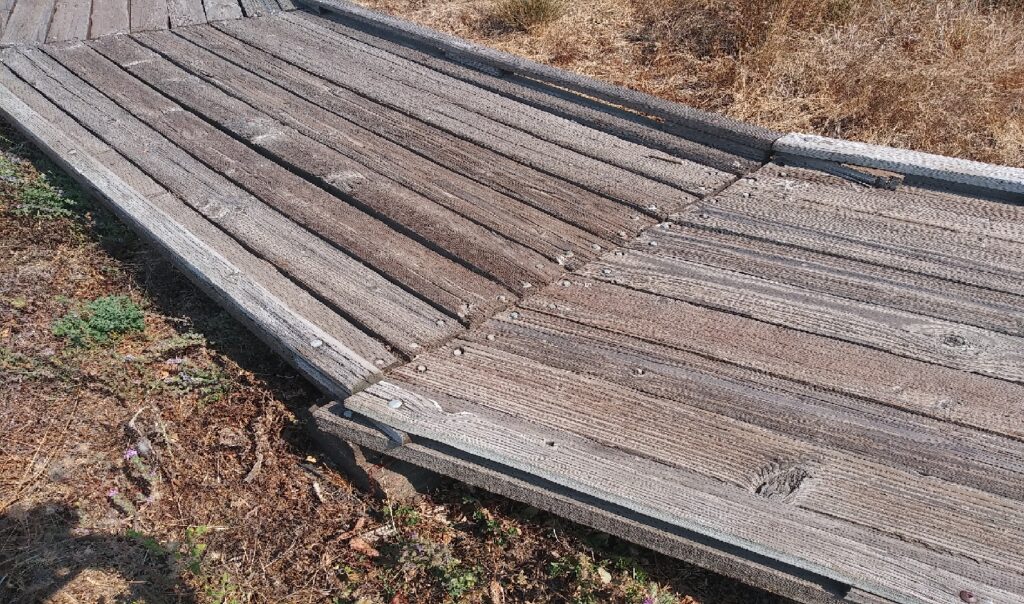
For the last decade, leaders have consistently worked to advance a regional recreation vision. In 2017, a partner effort under guidance of the Oregon Health and Outdoors Action Framework, developed the Regional Partnership vision. The vision centered on a universal access trail network with priority of adjacent Jackson-Frazier Wetland natural area boardwalk. The partnership continues strong today with Greenbelt Land Trust, Benton County, Samaritan Health Services, Alliance for Recreation & Natural Areas, Willamette Partnership, and the City of Corvallis Parks & Recreation Department. The boardwalk reconstruction will provide the first step of long term trail access for all members of the community. The current boardwalk is structurally defective and has reached end of constructed life- failing in most locations with cracks and crevices, cross slope, elevation changes, rises in elevation at transition point that don’t meet current ADA standards. The current boardwalk floats each winter and never settles in spring in same orientation. Reconstruction will be a first step to support the partnership goal of: safe, multimodal, ADA compliant, and interconnected recreational trail system from Jackson-Frazier Wetland.

Current boardwalk condition over 3,500 ft of wooden boardwalk defects currently

Supporting Documents

Back to top